Introduction
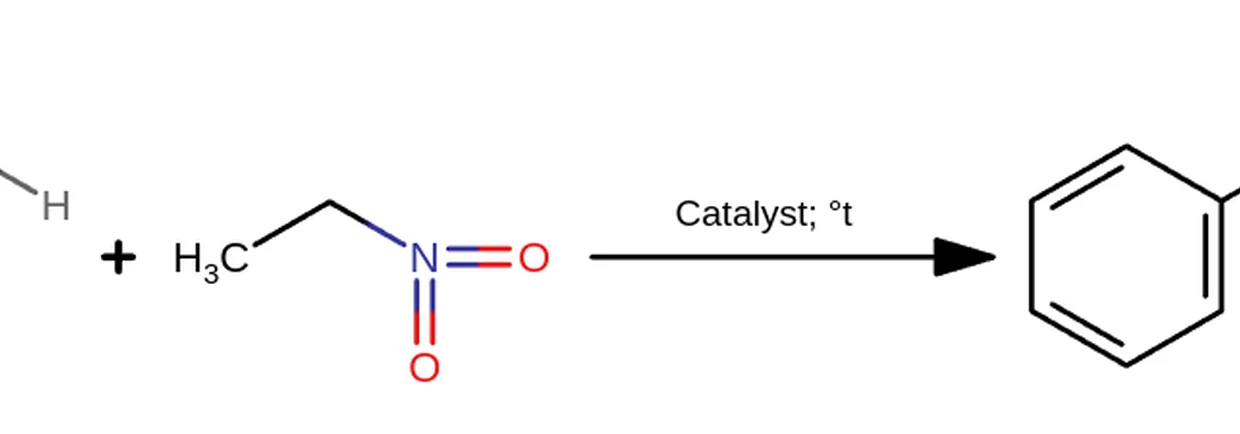
1-Phenyl-2-nitropropene synthesis play a key role in amphetamine synthesis method as Henry Reaction also extremely important in different phenylethylamines' syntheses. We've posted detailed guide about P2NP synthesis with n-butylamine as the reaction catalyst and got a lot of questions concerning its replacement. In this topic, I will show other suitable catalysts for this reaction and their, their descriptions, pros and cons.
Procedures:
Methylamine Catalyst
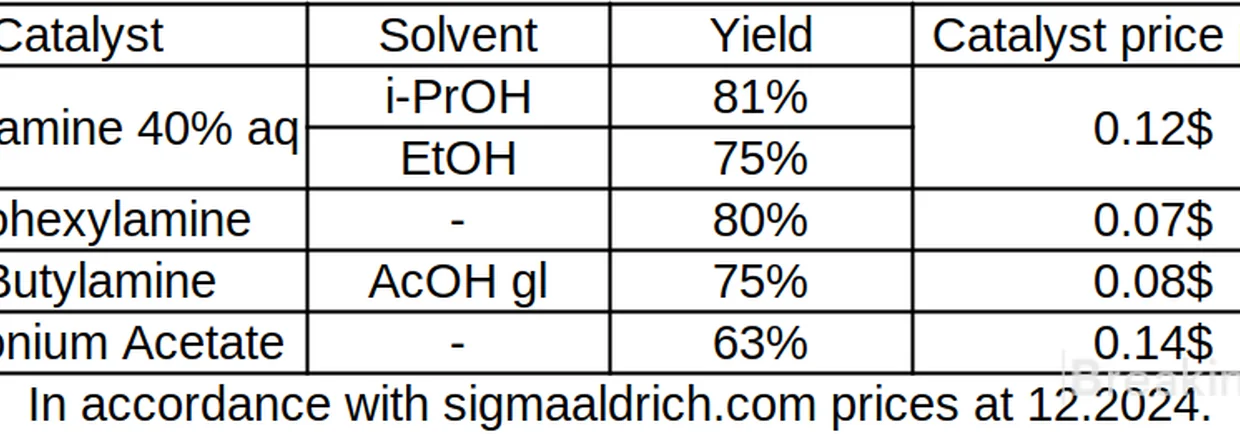
1 mol Benzaldehyde, 1.2 mol nitroethane and 15 mL (~0.17 mol) diluted 40% aqueous methylamine in 150 mL alcohol. Stirred and slightly heated for ca 4 hours. The reaction mixture is brought over into a beaker and cooled in the fridge (4°C). If precipitation doesn't commence at this point, water is poured in and the mixture put back in the fridge. The P2NP oil layer will slowly (or sometimes quickly) start forming a crystalline layer. If it doesn't, scratching the wall with e.g. a glass rod will help. If even this won't help, it means you probably fucked something up. The yields of this "adaptation" using different alcohol solvents are: 81% (i-PrOH) and 75% (EtOH). Yields calculated after crystallizing once; Crystals have been stored in a freezer and also recrystallized prior to use.
Cyclohexylamine Catalyst
To 55 g (0.5 mol) Benzaldehyde in a 500 mL Flask were added 40 g (0.5 mol) nitroethane and 10 mL (0.09 mol) Cyclohexylamine. All was refluxed for 6 hours on a water bath. The result were 2 layers. One orange layer at the bottom with phenyl-2-nitropropene and a clear layer at the top with cyclohexylamine and maybe a little bit (~1mL) of H2O. 50mL of H2O were added and then sucked off with a pipette until the phenyl-2-nitropropene crystallized (it crystallized when it came in contact with air in presence of 15mL H2O). 200mL 95% denaturated ethanol was added to the orange crystals. The color of the now needle-like crystals changed from orange to white-yellow. The crystals were filtered. Yield is 65 g, 80% of theory.
n-Butylamine Catalyst [1-Phenyl-2-nitropropene (P2NP) Video Synthesis]
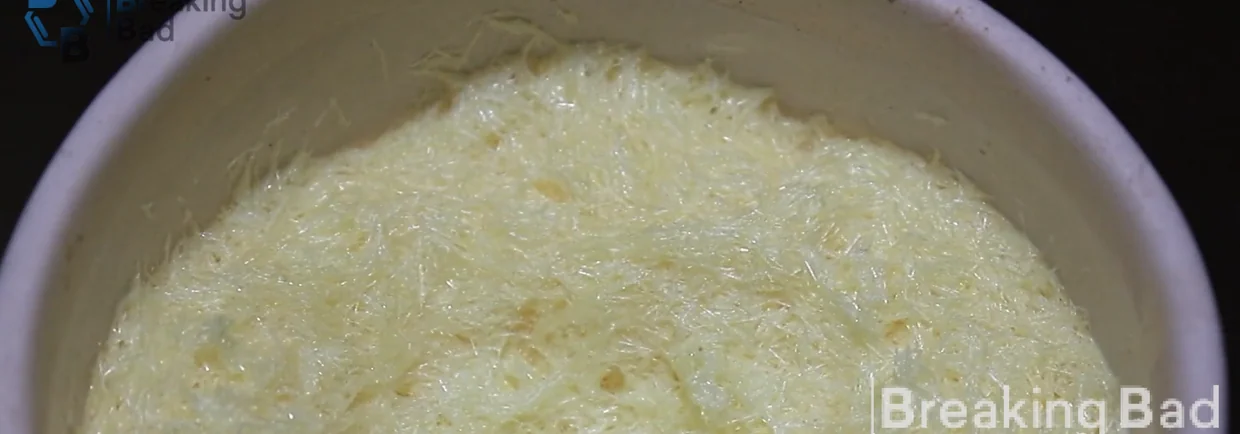
1. Benzaldehyde 1000 ml (9.06 mol), nitroethane 1000 ml, glacial acetic acid 250 ml and n-butylamine 50 ml (0.5 mol) are placed into 10 L flask. 2. A reflux condenser is installed onto the flask. 3. The stirrer and heater are turned on. The reaction mixture is heated up to 60 °С. 4. The reaction is conducted during 2-3 hours with constant stirring at 60 °С. 5. The reaction mixture is poured into an empty 5-10 L bucket. 6. Isopropyl alcohol (IPA) 800 ml is poured into the bucket and stirred. 7. The bucket with mixture is put into a freezer for 12 hours, 1-phenyl-2-nitropropene (P2NP) is crystallized. 8. The product P2NP is filtered on a Buchner funnel (suction filtration procedure), washed be a small amount of cold IPA and dried on air (or in vacuum chamber, optional). The yield is 65-75%.
Ammonium Acetate Catalyst
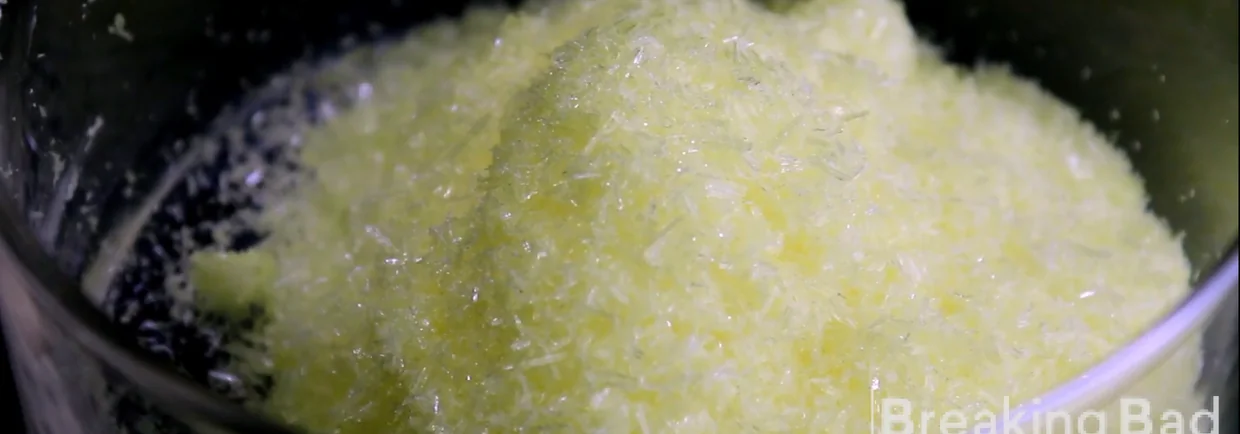
A solution of benzaldehyde (6.4 g; 0.06 mol) and ammonium acetate (1.0 g; 0.013 mol) in nitroethane (20 mL; 0.28 mol) was heated to reflux for 5 h. On cooling, after removal of the solvent, the residue was purified by column chromatography on silica gel 60 N (neutral; hexane-chloroform, 2:1, v/v), then recrystallized from hexane and gave 1-phenyl-2-nitropropene as a light yellow crystals weighing 6.2g (63%), mp 71-73°C.
Discussion
As you can see, there are a list of the main known catalysts, which are quite cheap and easy to get. Syntheses yields are acceptable. Some other primary amines with a high probability also can be used for this reaction but we haven't found any reliable data about them and haven't provided research in order to ensure. The forum is open to researchers and clandestine chemists, who can share our community by own experience reports.
Sources
Hass, H. B., A. G. Susie, and R. L. Heider. "Nitro Alkene Derivatives1." The Journal of Organic Chemistry 15.1 (1950): 8-14. https://pubs.acs.org/doi/pdf/10.1021/jo01147a002
Li, Yanjun, and Taeko Izumi. "Low‐Valent Ruthenium Induced Simultaneous Reduction of Nitro Group and C‐C Double Bond in Nitroolefin 1‐Phenyl‐2‐Nitropropene‐1." Journal of the Chinese Chemical Society 49.4 (2002): 505-508. https://onlinelibrary.wiley.com/doi/abs/10.1002/jccs.200200079
https://www.designer-drug.com
Источник: http://bbzzzsvqcrqtki6umym6itiixfhni37ybtt7mkbjyxn2pgllzxf2qgyd.onion/threads/1-phenyl-2-nitropropene-synthesis-benzaldehyde-and-nitroethane-henry-reaction-catalysts.13713/

Написать Join — чтобы участвовать в обсуждении.