
Synthesis of 1,3-benzodioxole:
Synthesis of Methylone (bk-MDMA) from Catechol
 Закрыть
Открыть: lvpuQxmnFc.png
-
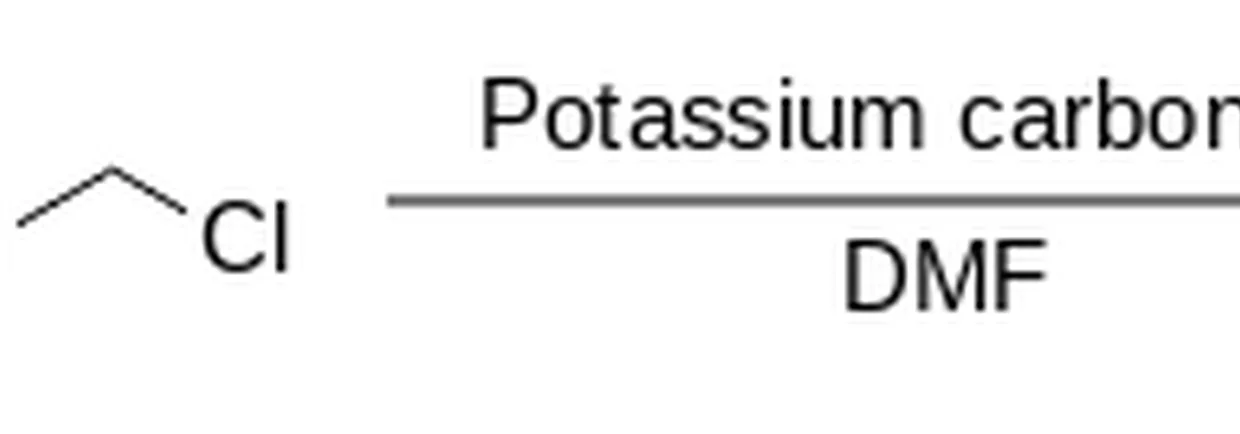
Catechol (100 g), potassium carbonate (200 g) and dimethylformamide (1000 ml) were added to a 3L three-neck round bottom flask fitted with a condenser, a dropping funnel and a thermometer.
-
The reaction was heated to 35 *C and dichloromethane (120 ml) was added dropwise.
-
The mixture was then heated at 110–120 *C for five hours and then left to cool.
-
The solution was decanted and 1500 ml of water was added.
-
The aqueous phase was extracted with 3x250 ml of diethyl ether.
-
The organic layers were then combined and washed with 3x500ml of water.
-
The organic layer was dried over anhydrous sodium sulphate, decanted and the solvent was removed with a rotary evaporator to yield a light-brown oil. Yield: 77 g.
Synthesis of 3,4-methylenedioxypropiophenone:
 Закрыть
Открыть: pOtHjsEmxb.png
-
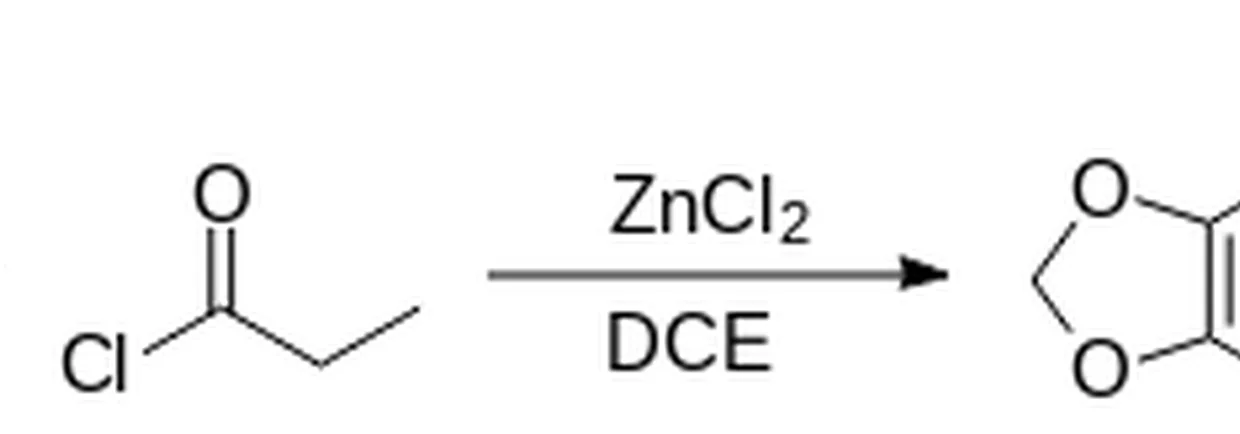
1,3-Benzodioxole (100 g), zinc(II) chloride (170 g) and dichloroethane (1000 ml) were added to a 2L two-neck round bottom flask fitted with a dropping funnel.
-
The resulting mixture was cooled in an ice bath.
-
Propionyl chloride (110 ml) was added to the mixture dropwise and the reaction was left to stir for 18 h.
-
The reaction was quenched with water and 500 ml of diethyl ether was added.
-
The aqueous layer was removed, and the organic layer was washed with 3x250 ml 5% sodium carbonate solution and 3x250 ml of brine.
-
The organic layer was then dried over anhydrous sodium sulphate, decanted and the solvent was removed using a rotary evaporator, producing a dark brown liquid. Yield: 100 g.
Synthesis of 5-bromo-3,4-methylenedioxypropiophenone:
 Закрыть
Открыть: uRVkl4aGUg.png
-
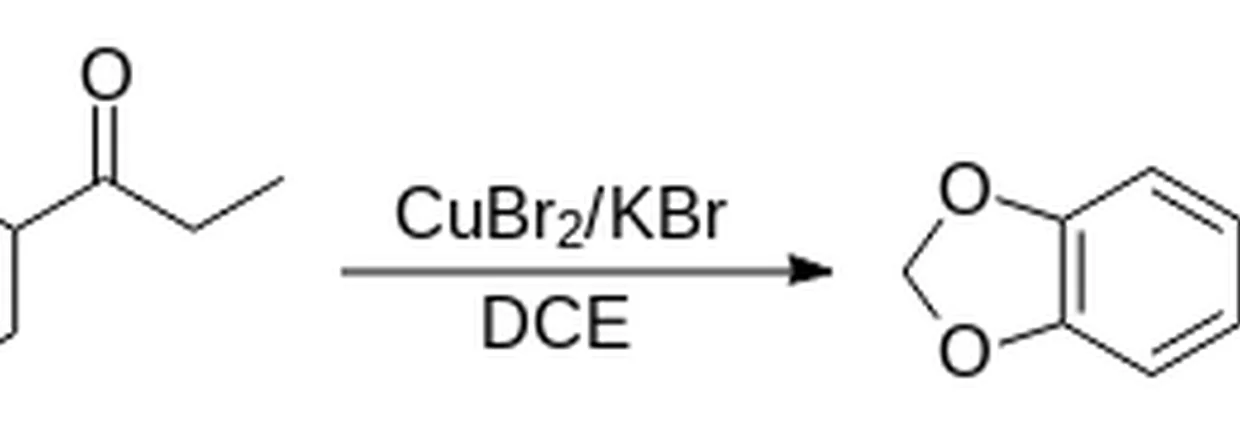
3,4-Methylenedioxypropiophenone (100 g), cupric bromide (150 g), potassium bromide (7 g) and 1000 ml of dichloroethane were added to a 3 L round bottom flask with a condenser.
-
The solution was heated under reflux for 24 h, and then quenched with dichloromethane.
-
The resulting mixture was filtered, and the solids were washed with 1000 ml of dichloromethane.
-
The organic solution was dried over sodium sulphate, decanted and the solvent removed using a rotary evaporator, producing a dark brown liquid. Yield: 130 g.
Synthesis of Methylone:
 Закрыть
Открыть: zdTncaoLCY.png
-
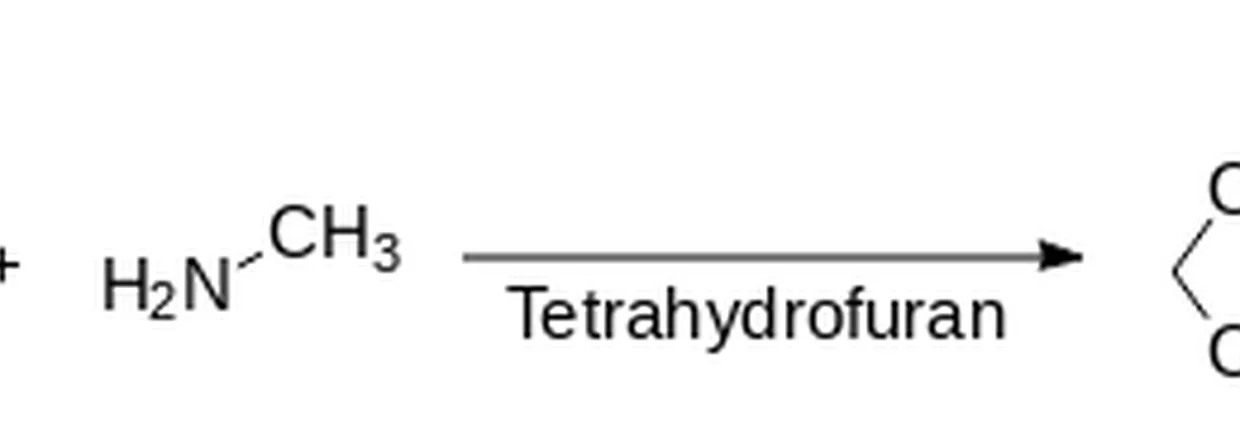
5-Bromo-3,4-methylenedioxypropiophenone (100 g) and 1000 ml of tetrahydrofuran were added to a 3 L round bottom flask.
-
Aqueous methylamine (300 ml, 40%) was added dropwise to the solution over 30 min.
-
The solution was left to stir for 18 h and basified with 1000 ml of 20% NaOH solution.
-
The product was extracted with 3x500 ml ethyl acetate and washed with 3x500 ml water.
-
Decant the ethyl acetate solution into a dry beaker, chilled in an ice bath.
-
Add a 1:5 solution of conc. HCl:IPA dropwise with manual stirring to the chilled ether solution to pH > 4.
-
Chill in the ice bath or into a freezer.
-
Collect the crystals by vacuum filtration and let air dry. Yield: 75 g.
↑ 1
Написать Join — чтобы участвовать в обсуждении.