
Methylphenidate (Ritalin) synthesis
 Закрыть
Открыть: gQo7x41CKB.jpg
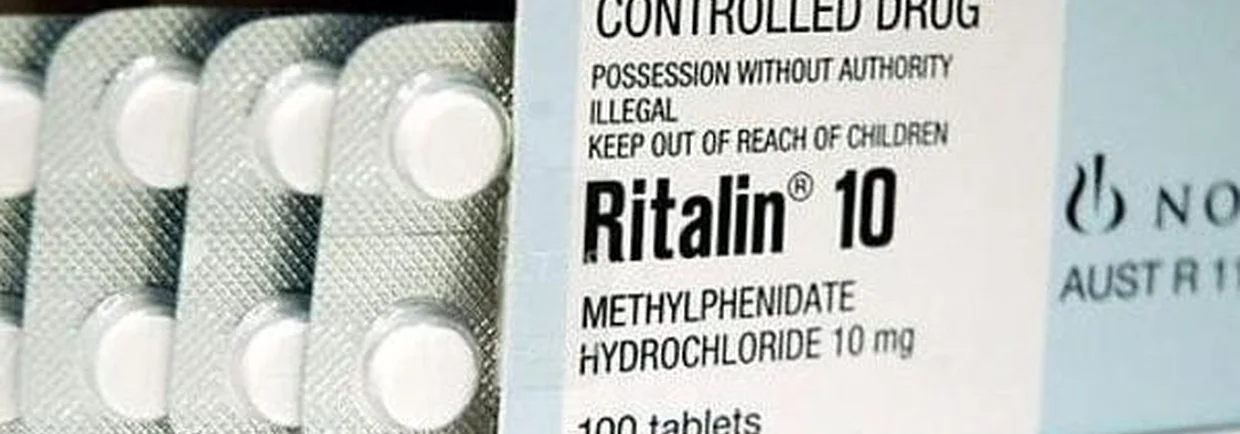
Methylphenidate (Ritalin; Concerta) synthesis method can be learned in this topic. It is the simplest way to produce this substance which isn't taking any elaborated glassware, equipment and special conditions such as high pressure, inert atmosphere or extremely low or high temperatures. The hardest problem of this synthesis is rare precursors such as 1-Phenyl-2-(piperidin-1-yl)ethanone-1,2-dione. Nevertheless, you can buy them in special stores.
Four isomers of methylphenidate are possible, since the molecule has two chiral centers. One pair of threo isomers and one pair of erythro are distinguished, from which primarily d-threo-methylphenidate exhibits the pharmacologically desired effects. The erythro diastereomers are pressor amines, a property not shared with the threo diastereomers. When the drug was first introduced, it was sold as a 4:1 mixture of erythro:threo diastereomers, but it was later reformulated to contain only the threo diastereomers. "TMP" refers to a threo product that does not contain any erythro diastereomers, i.e. (±)-threo-methylphenidate. Since the threo isomers are energetically favored, it is easy to epimerize out any of the undesired erythro isomers. The drug that contains only dextrorotatory methylphenidate is sometimes called d-TMP, although this name is only rarely used, and it is much more commonly referred to as dexmethylphenidate, d-MPH, or d-threo-methylphenidate.
Equipment and glassware:
Three necked round bottom flask;
Magnetic stirrer;
Retort stand and clamp for securing apparatus;
Laboratory scale;
Buchner flask and funnel (or small Schott filter);
Rotary evaporator;
Vacuum source;
Beakers;
Glass rod;
Ice water bath;
HCl dry gas apparatus;
Reflux condenser;
TLC kit (optional);
Separatory funnel;
Conventional funnel;
Filter paper;
Flash chromatography kit;
Laboratory grade thermometer (-10 °C to 50 °C) with flask adapter;
Drip funnel;
Erlenmeyer flasks.
Reagents:
1-Phenyl-2-(piperidin-1-yl)ethane-1,2-dione;
p-Toluenesulfonhydrazide;
Hydrochlorica acid gas (HCl) anhydrous;
Diethyl ether (Et2O);
Ethanol (EtOH);
Toluene;
Potassium tert-butoxide;
Tert butanol;
Distilled water (H2O);
Sodium chloride (NaCl);
Ethyl acetate (EtOAc);
Magnesium sulphate (MgSO4);
Methanol (MeOH).
 Закрыть
Открыть: bauT8IGezO.jpg
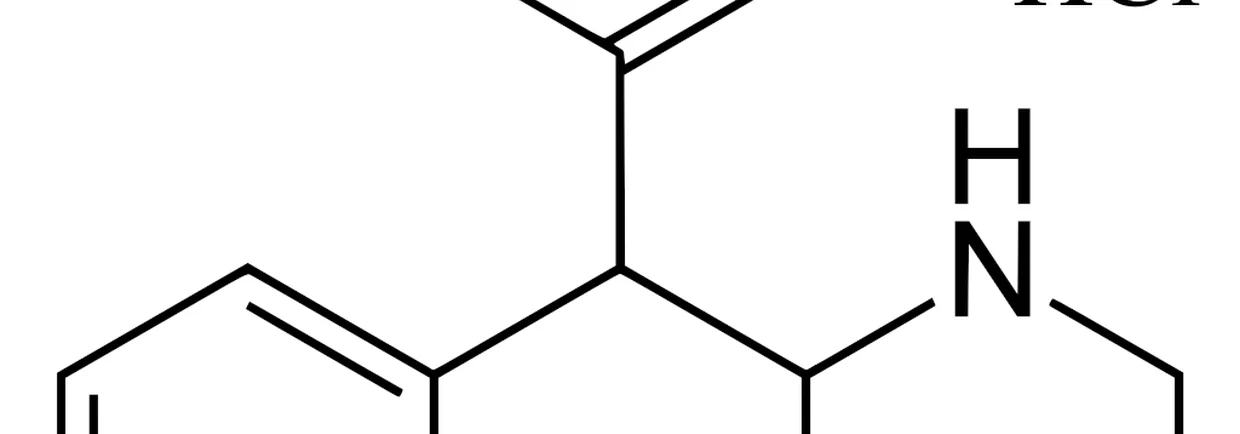
Methylphenidate hydrochloride [Methyl phenyl(piperidin-2-yl)acetate hydrochloride]
Boiling Point: 327.6 °C at 760 mm Hg;
Melting Point: 224-226 °C;
Molecular Weight: 269.767 g/mol;
Density: 1.1±0.1 g/mL (20 °C);
CAS Number: 298-59-9.
Procedures
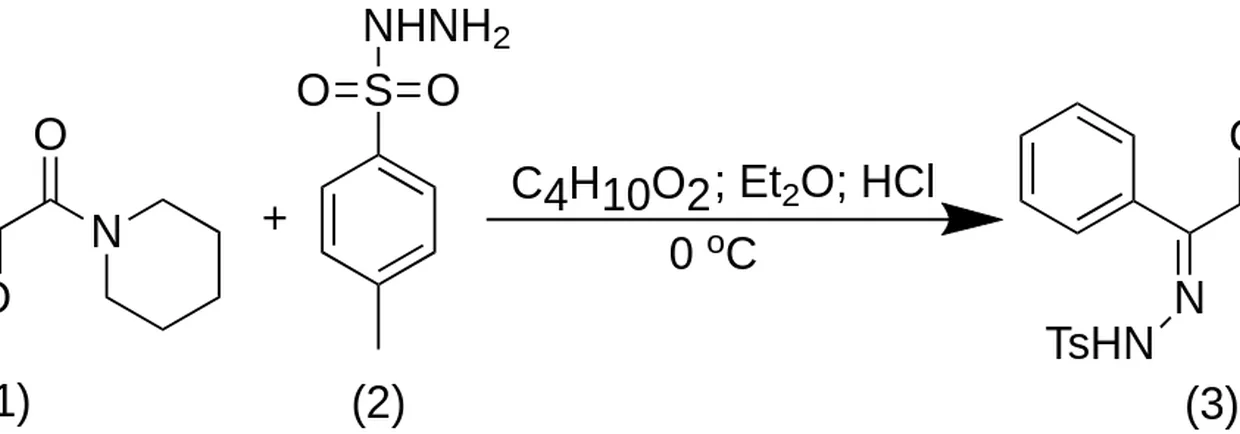
Step 1: To a solution of 1-phenyl-2-(piperidin-1-yl)ethane-1,2-dione (1) in dimethoxyethane was added p-toluenesulfonhydrazide (2) (1.1 equivalent) at room temperature. This solution was cooled to 0 °C and anhydrous HCl gas bubbled through the solution for 30 seconds. The reaction mixture was gently refluxed for 3-12 hours with reflux condenser (as determined by monitoring by TLC). The solution was cooled first to room temperature at which point a precipitate formed and then further cooled to 0 °C. Diethyl ether was added to induce more crystallization. The precipitate was collected by filtration, washed with cold ether, and subsequently allowed to air dry to give pure tosylhydrazone (3). The tosylhydrazone was recrystallized in ether:ethanol (3:1) to give needle like crystals of (3) (80%): Melting point: 191 °C.
 Закрыть
Открыть: JwHpUZ9W86.png
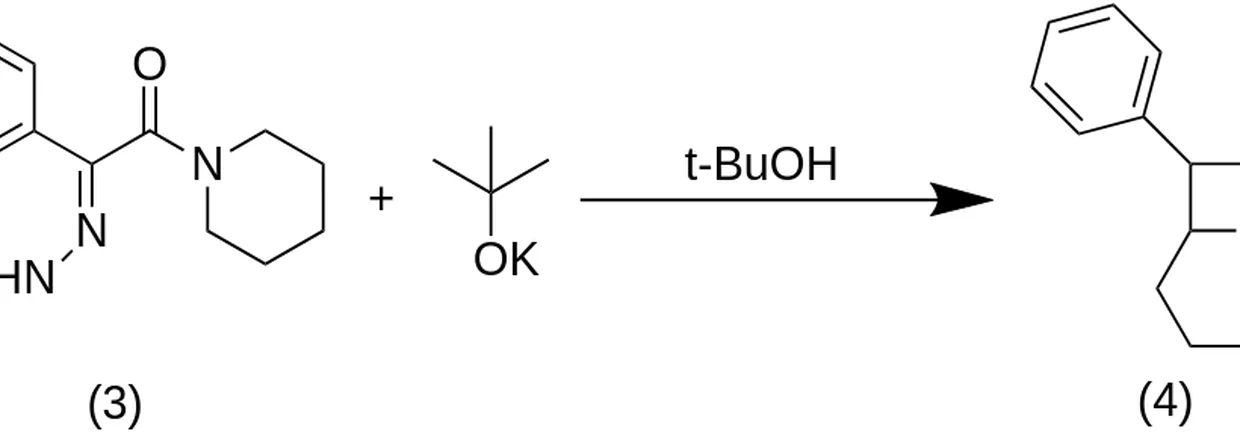
**Step 2: **To a solution of tosylhydrazone (3) in toluene was added a 1 M solution of potassium tert-butoxide in tertbutanol (1.1 equiv.) dropwise at room temperature. The mixture was heated to reflux and monitored by both thin layer chromatography (TLC) and by the color of the reaction mixture. The originally yellow solution turns bright orange as the diazo compound is formed. After 30 minutes of reflux, the solution returns to a yellow color and TLC showed no starting material. The reaction mixture is washed with water (2 times) and then washed with brine. The aqueous portions are combined and extracted with ethyl acetate. The organic extracts were combined, dried over MgSO4 filtered, and evaporated. The resulting oil or semi-solid was purified by flash column chromatography. Further purification by recrystallization from ether yielded a single diastereomer as white crystals of (4) (60%; threo:erythro 6:1): Melting point: 87 °C.
 Закрыть
Открыть: RXGynfEe8i.png
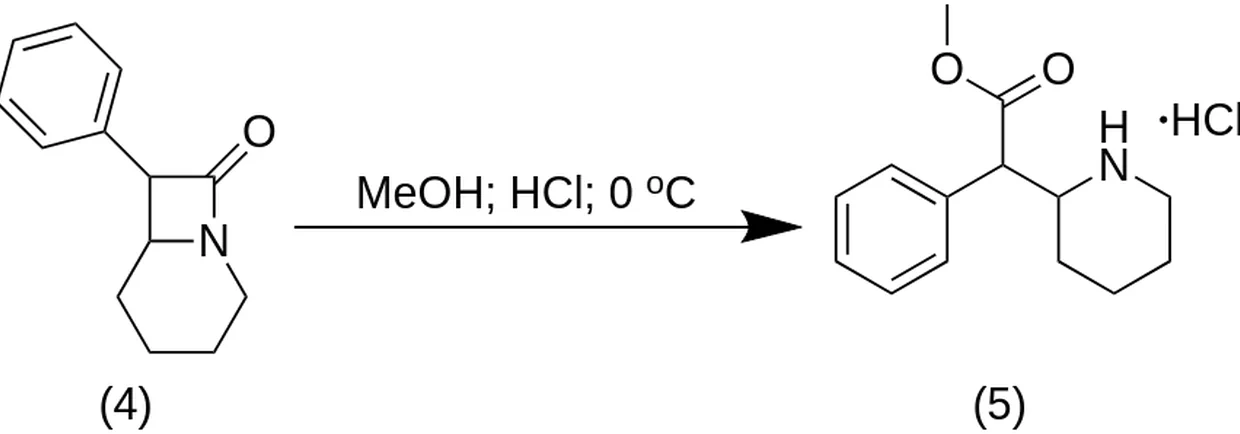
**Step 3: **To a solution of B-lactam (4) in MeOH at 0 °C, anhydrous HCl gas was gently bubbled through the solution for approximately five minutes. The reaction mixture was allowed to stir at room temperature for 1-5 hours (until all starting material was gone by TLC). The solvent was evaporated, and the resultant solid was triturated with ether. The offwhite solid was collected by filtration and washed with ether to give an amine salt. This was recrystallized in MeOH ether to give white crystals of (5) (86%); melting point: 206 °C.
 Закрыть
Открыть: 3xrAtMz0y2.png
↑ 3
Написать Join — чтобы участвовать в обсуждении.
this mf owns bb forum and im sure of it lol
what about lisdexamphetamine is it possible?
Didn't know you were a chemist ThatGuy