
Mescaline Extraction From San Pedro Cactus
 Закрыть
Открыть: aCrXwOL6QK.jpg
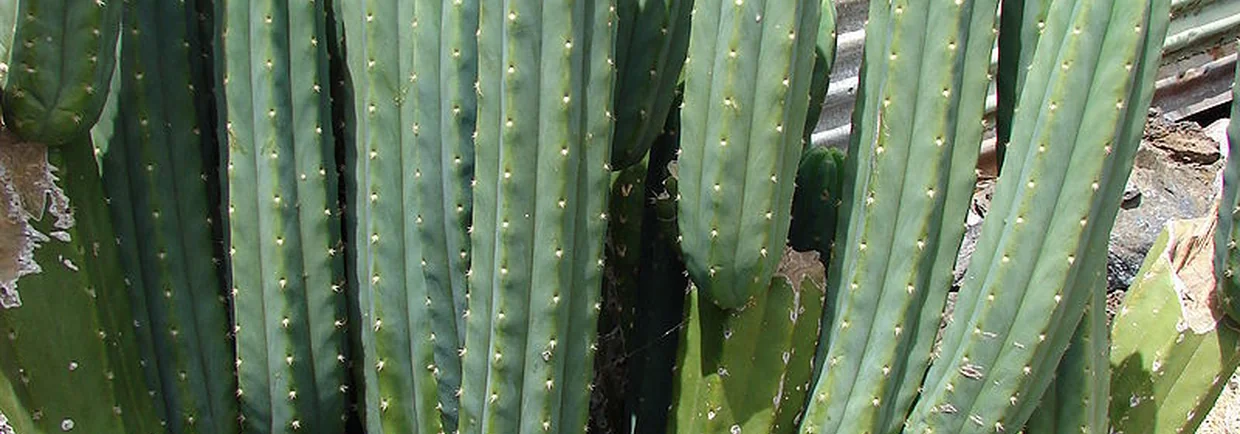
So, you bought your first San Pedro cutting, what now? Filter cloth method allows extracting Mescaline from Echinopsis pachanoi. Reading about the San Pedro history, current use and effects made you eager to explore. Now you're ready to dive a little deeper, into the methods of mescaline extraction. The San Pedro cactus contains a number of alkaloids, including the well-studied chemical mescaline (from 0.053% up to 4.7% of dry cactus weight), and also 3,4-dimethoxyphenethylamine, 3-Methoxytyramine, 4-hydroxy-3-methoxyphenethylamine, 4-hydroxy-3,5-dimethoxyphenethylamine, anhalonidine, anhalinine, hordenine, and tyramine.
The native peoples of Peru who used this cactus for medicinal purposes would slice, dice and chop up the sliced star shaped pieces and then boil the material for hour after hour to get the alkaloids to mix in with the water. Sometimes the cooking preparation took from 8-24 hours. After that, the drink would be passed through a cloth and the liquid collected in clay drinking vessels, which enabled the Indians to partake of the sacred juice for a most rewarding experience.
Before we start this step-by-step guide is for the filter cloth method, it's important to know that there are several methods for mescaline extraction. Some more complex than others. The filter cloth method is a very straightforward, easy to understand method that can be done with equipment that probably everyone has at home.**Synthesis TMA from 3,4,5-TMPNP via LiAlH4
Synthesis of MESCALINE with nitromethane (1000g scale)
General schemes of amphetamine synthesis
Mescaline pharmacology **
Equipment
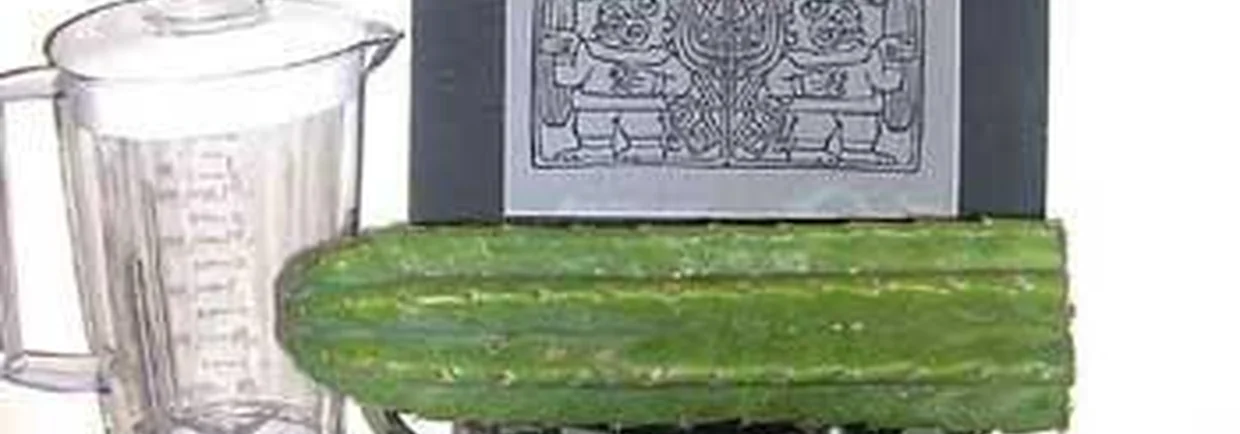
Items used in the preparation of San Pedro include a blender, an 8-quart (7.5 L) cooking pot, a spoon or wooden spatula, two empty potato salad containers (equal size) and some clean cloth used for straining.
 Закрыть
Открыть: CFy9JlmXPi.jpg
Filter cloth method step-by-step guide
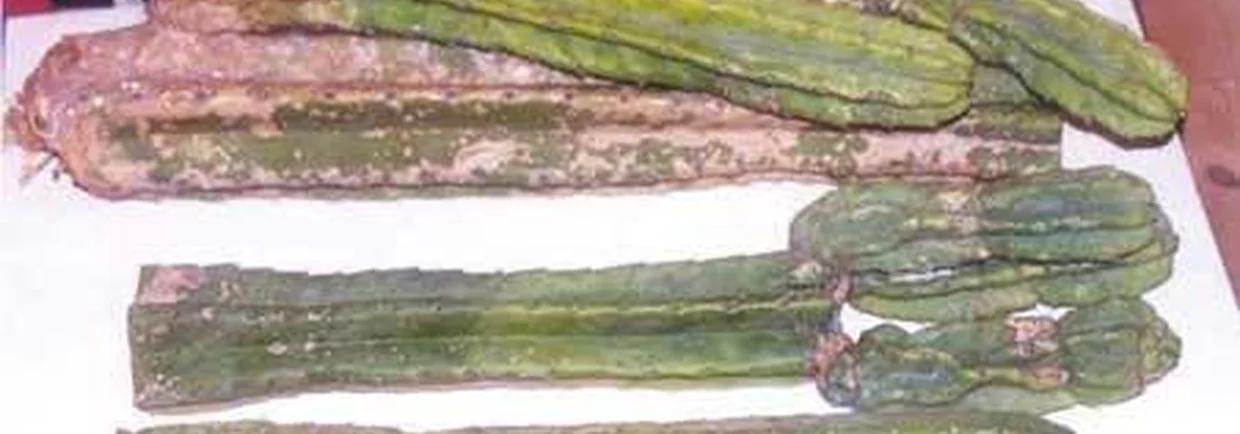
1. The process starts with a one-foot section of a Trichocereus pachanoi cactus. 30 cm (or 12 inches) yields a single dose.
 Закрыть
Открыть: UQYrHBOEsN.jpg
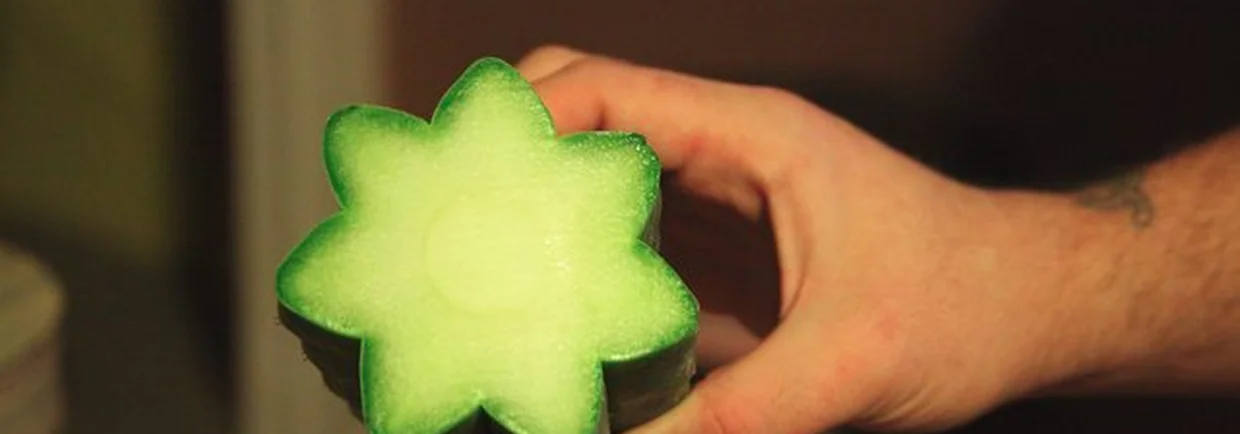
2. The end of the cactus is shaped like a star, usually with four to nine ribs.
 Закрыть
Открыть: IkgHXxuDFO.jpg
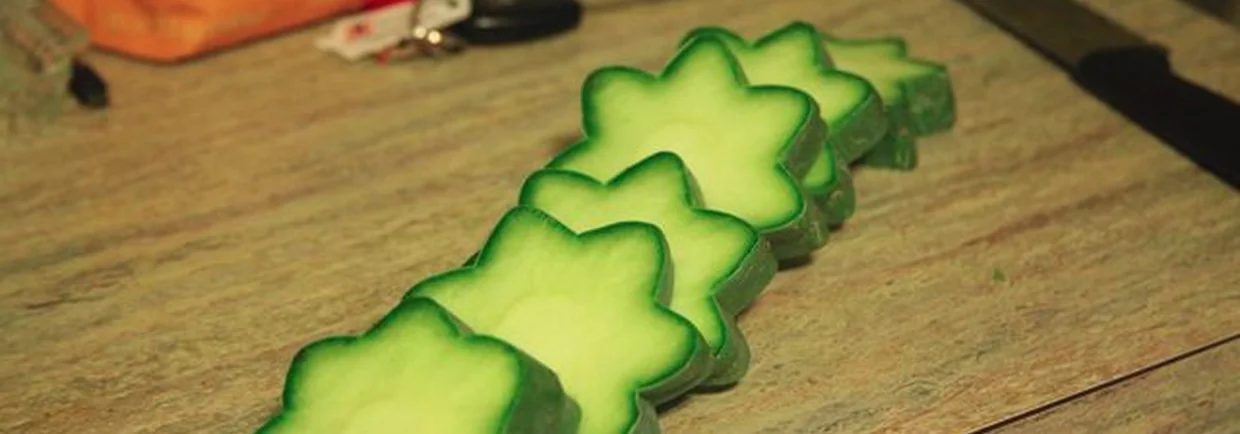
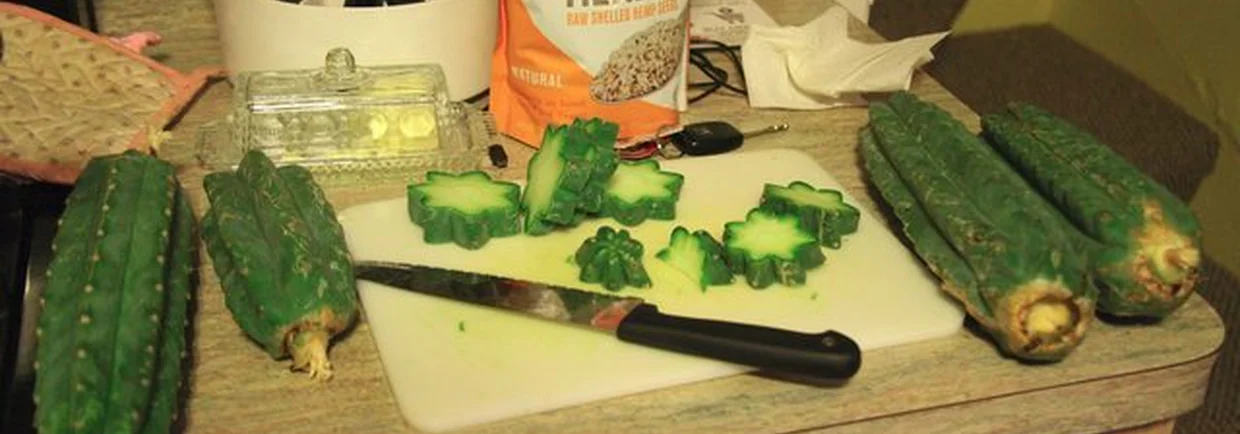
3. The 30 cm section of cactus is sliced like a cucumber into star sections.
 Закрыть
Открыть: Ta93D0Gubp.jpg
 Закрыть
Открыть: nevlGs2tMB.jpg
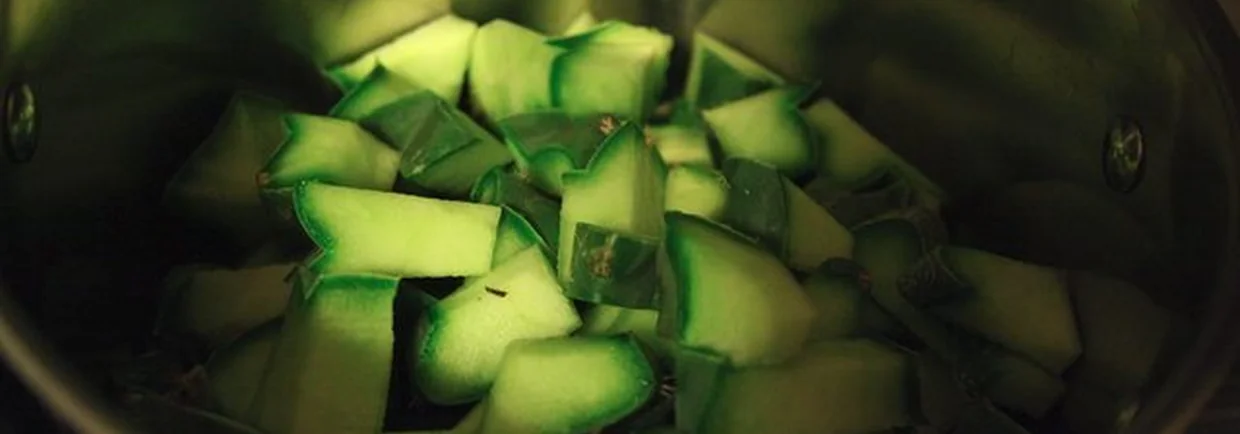
**4. **The star sections are then further cut into quarters, so they will fit in the blender. The spurs (spines, needles) can be left on the cactus as the boiling process softens them into string-like pieces of material that can be discarded.
 Закрыть
Открыть: K2cuw4XbUN.jpg
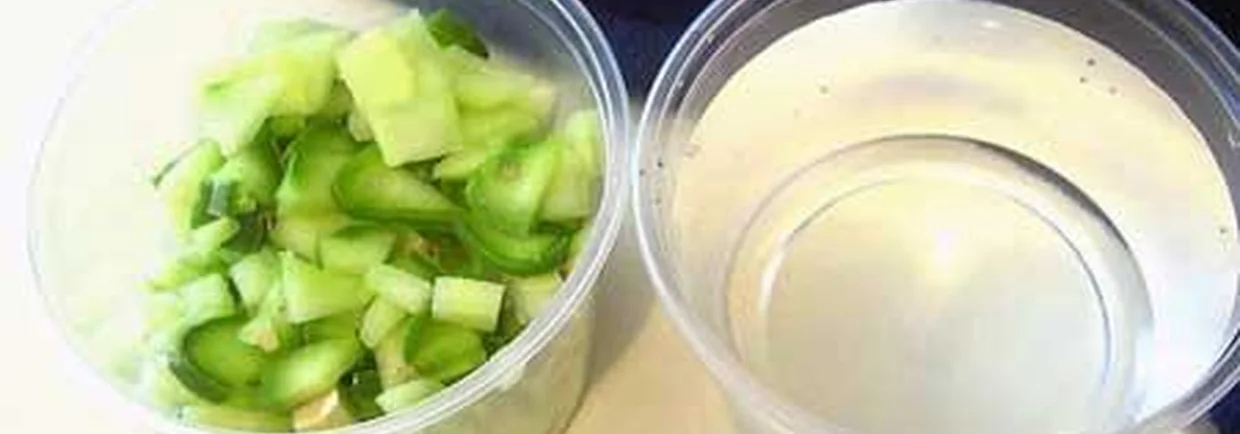
**5. **A portion of the cactus chunks are put in one container and an equal amount of water is put into another.
 Закрыть
Открыть: Y6pFosLM0W.jpg
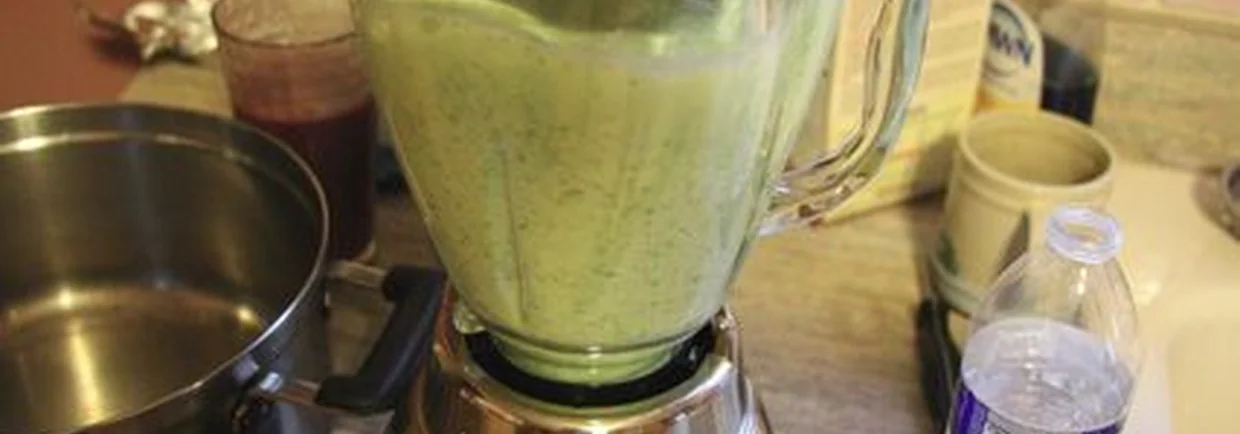
6. The cactus chunks and water are poured into a blender. This mixture is blended until the cactus bits and water expand to the top of the blender. After it is blended, the resulting mixture is poured into a large 3-5 quart pot. This process is repeated until the whole cactus has been liquefied and poured into the pot.
 Закрыть
Открыть: NgCxnOA7Sr.jpg
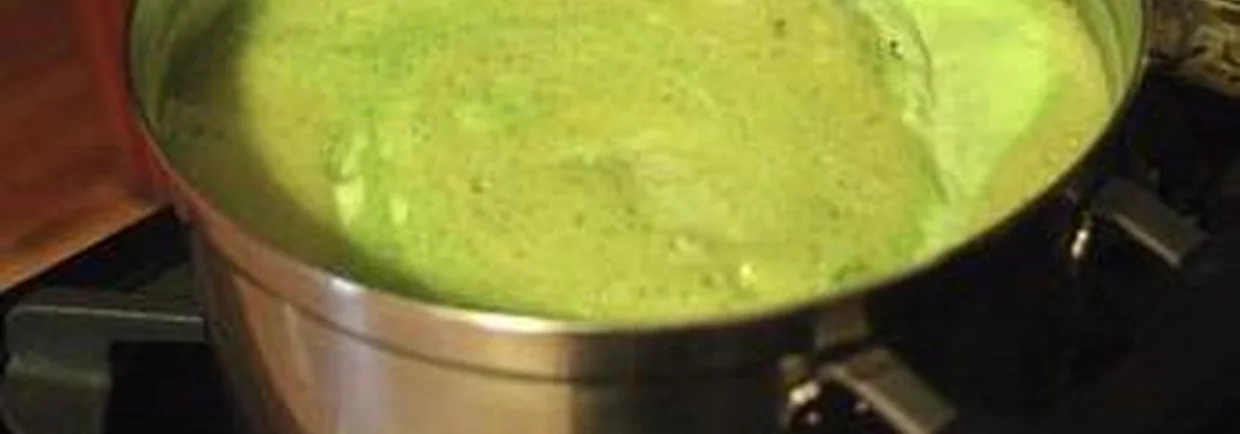
7. The blended cactus/water mixture is cooked slowly on low heat until the mixture is even, approximately 30 minutes. Initially, the cactus pulp separated from the water and sits on top of the liquid.
 Закрыть
Открыть: NVfgh4Hcsl.jpg
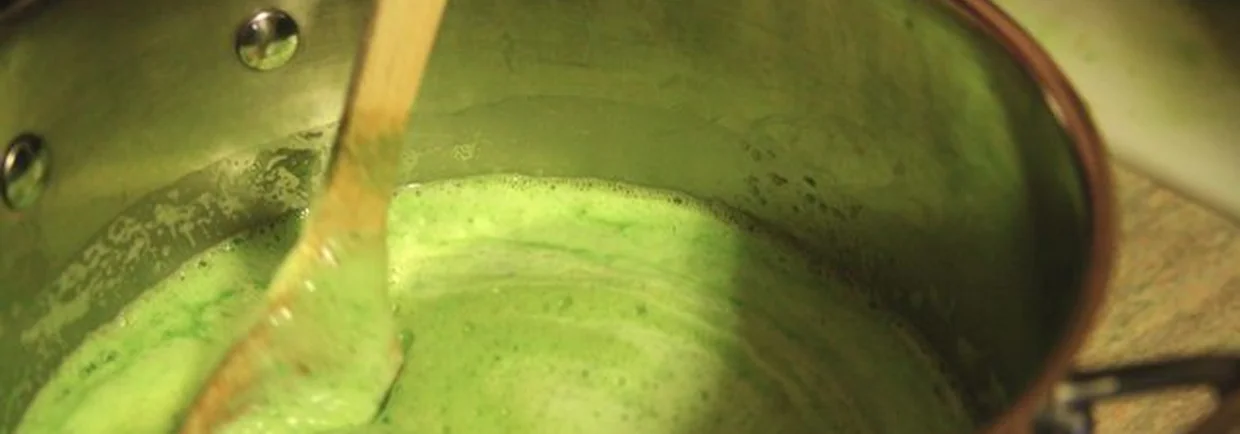
8. As the mixture cooks, the pulp will rise to the top of the pot, forming a foam that may spill over. A gas stove is preferred as it allows better regulation of the cooking temperature.
 Закрыть
Открыть: yHDSZvGMn1.jpg
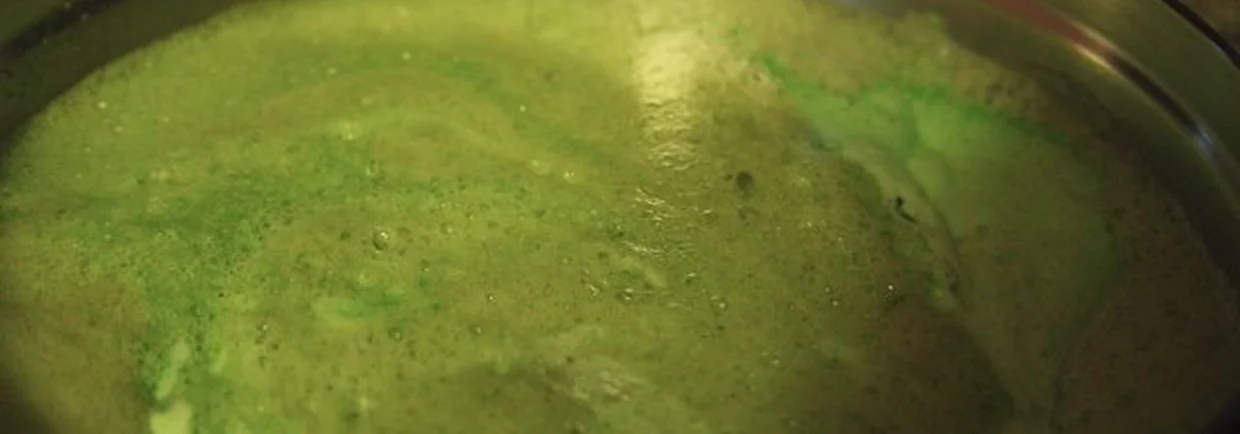
9. As the mixture continues to cook, it re-combines into one liquid and begins to turn green like the skin of the cactus. During this time, it needs to be stirred. Low heat and stirring are especially important during this first half hour of cooking.
 Закрыть
Открыть: pACtDaWVf2.jpg
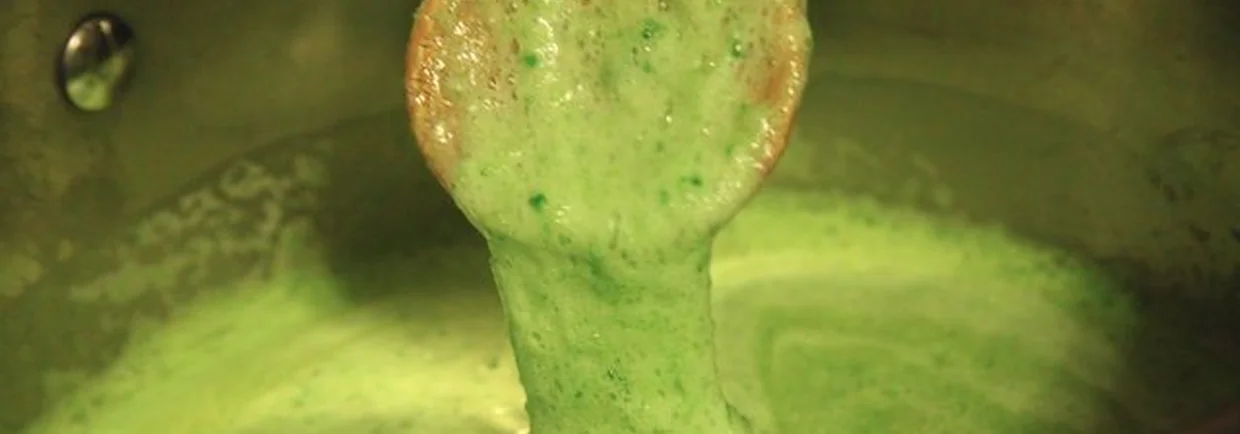
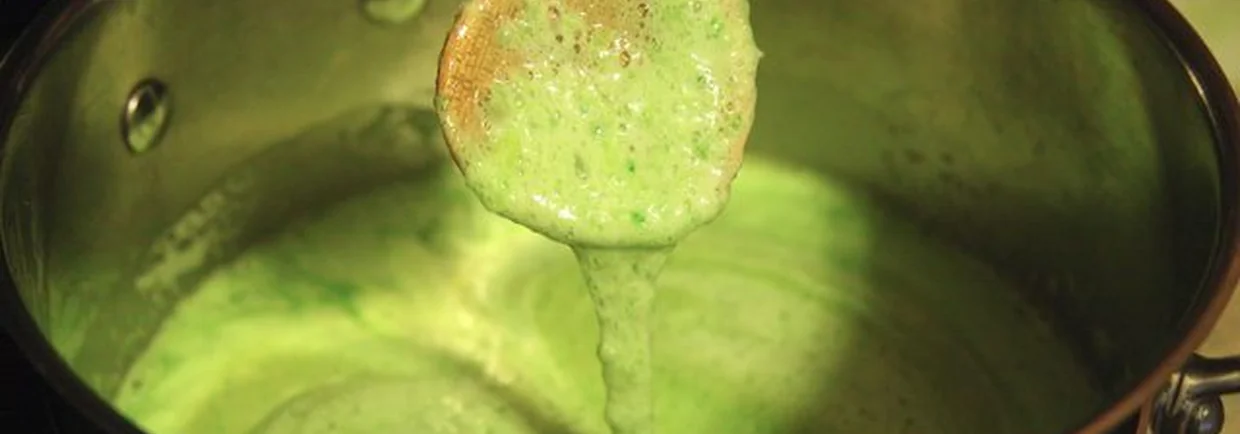
10. Slowly, over time, the pulpy green goop remixes with the water until it reaches the consistency of glue or snot.
 Закрыть
Открыть: rYmIK1HQjP.jpg
 Закрыть
Открыть: 6IVSTMP97d.jpg
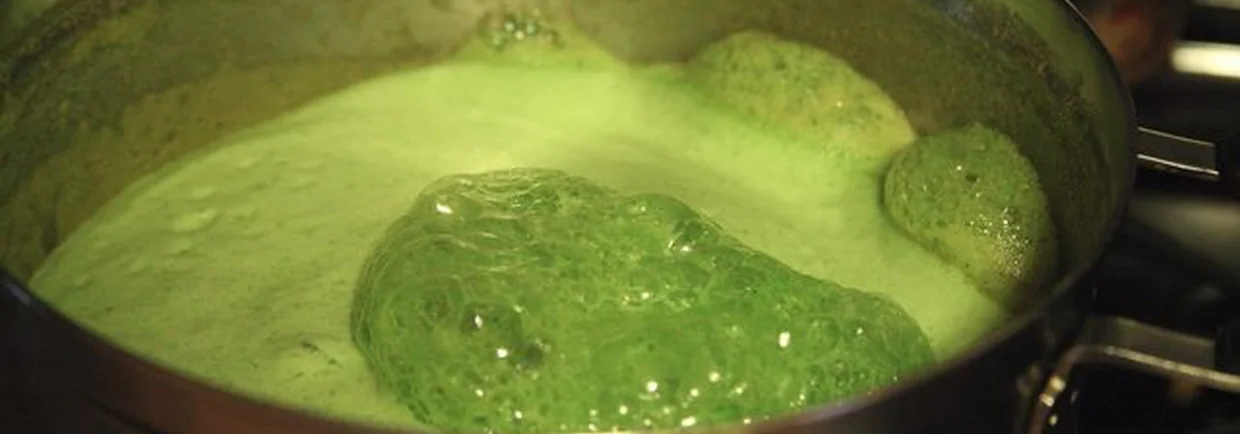
11. After the water and pulp have rejoined, the heat can be increased slightly, allowing the liquid to simmer (a light boil) continuously but without boiling over onto the stove.
 Закрыть
Открыть: Dmt1yaRb27.jpg
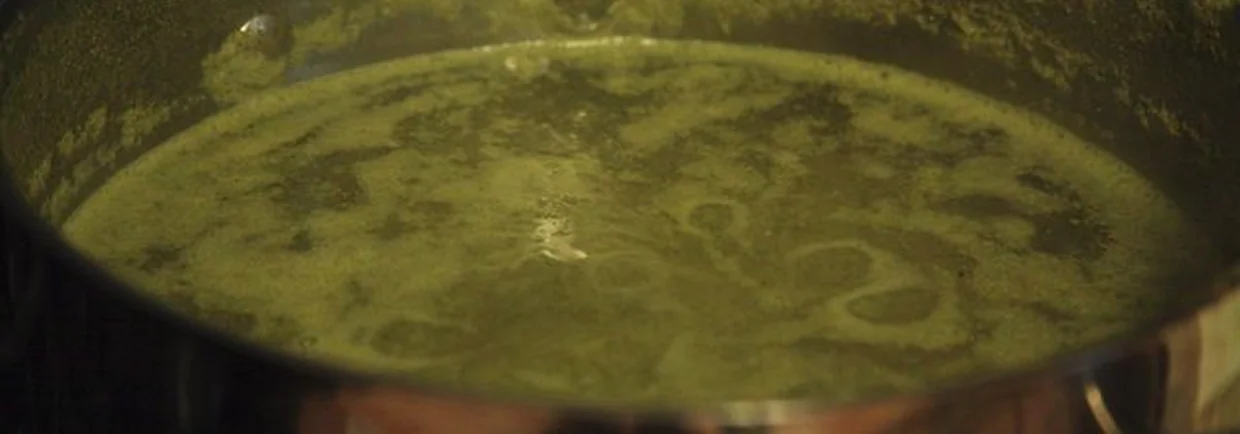
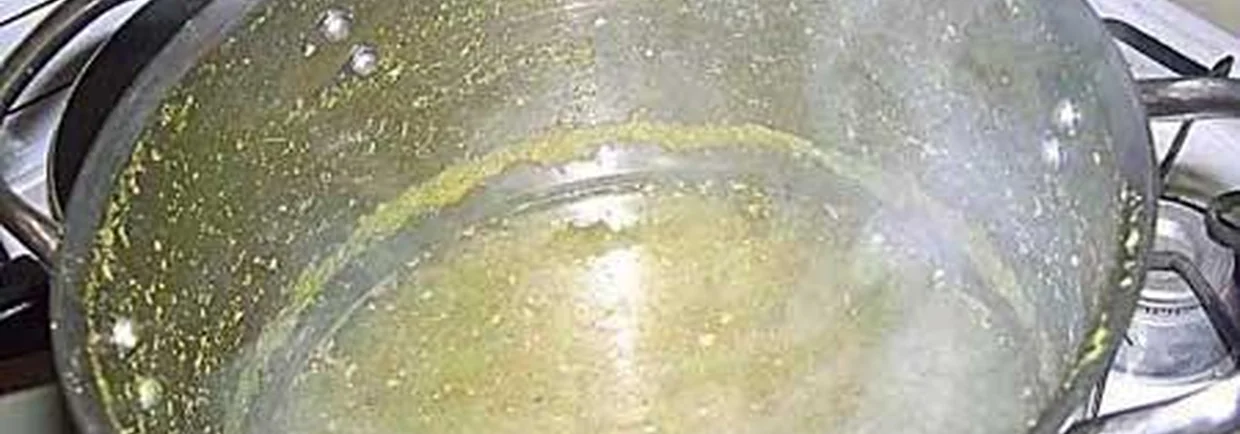
12. The mixture is allowed to boil lightly for two to four hours until 12 to 16 ounces (350 — 470 mL) of good left are left in the bottom of the pan.
 Закрыть
Открыть: w2yNJtRI9S.jpg
 Закрыть
Открыть: pAnRQY65rG.jpg
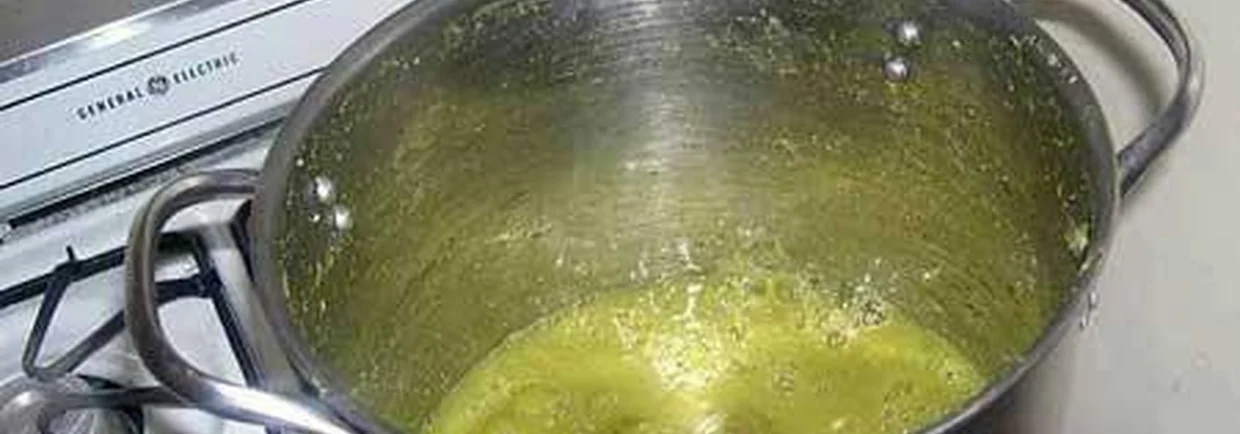
13. During the 2-4 hour period of boiling, the mixture needs to be monitored closely to avoid burning. Another 12 to 16 ounces (350 — 470 mL) of water or more may be added to prolong the boiling period. Eventually, the mixture becomes a messy glob of gooey gluey goop.
 Закрыть
Открыть: 9IR5gp6YZr.jpg
14. A clean piece of natural-fiber cloth (a piece of a t-shirt is being used in the photo) is placed over the top of the blender, forming a pocket that acts as a filter.
 Закрыть
Открыть: TFKR6YrS8Q.jpg
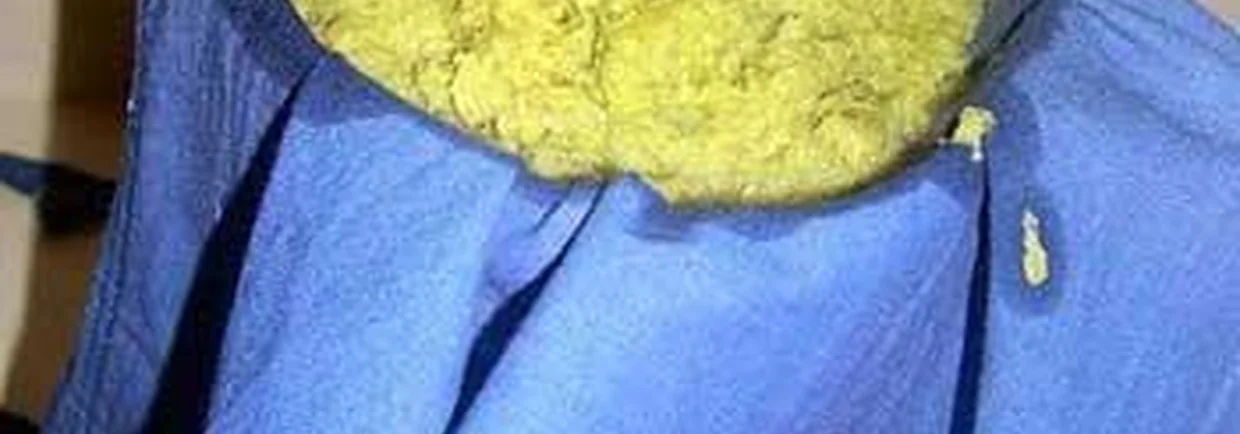
15. The mixture is poured from the pot into the cloth. The liquid slowly seeps through the cloth and drips into the blender. The pulp material is caught in the cloth pocket. This process is repeated until all of the pulp has been poured into the filter cloth.
 Закрыть
Открыть: 6SoKPr2qUE.jpg
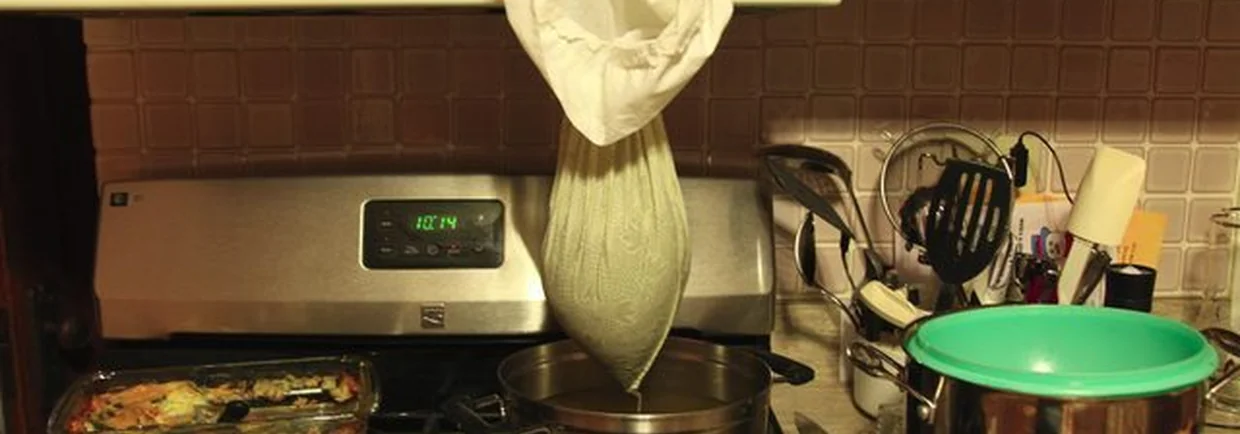
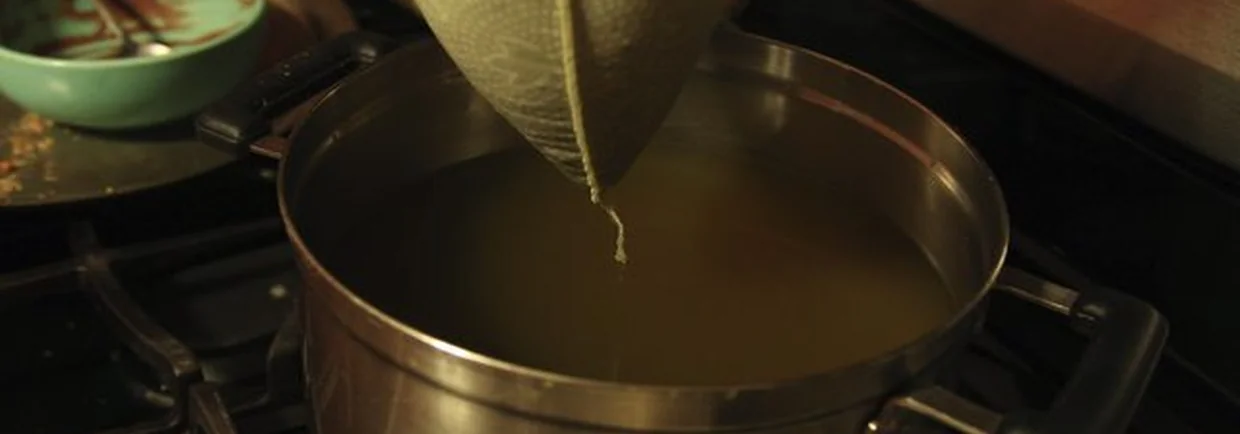
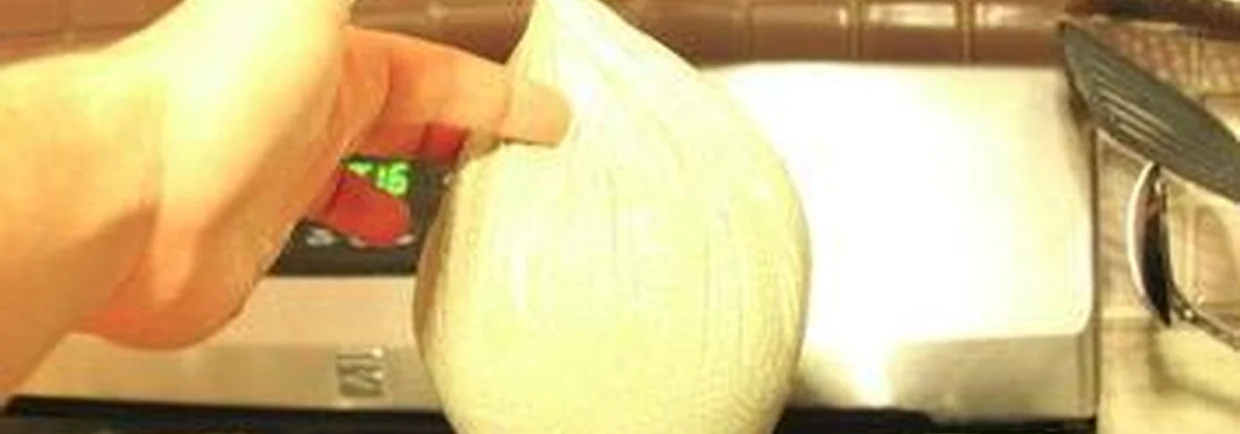
16. A piece of string is used to tie the top of the cloth closed around the pulp. The bag of pulp is suspended over the vessel, allowing the juice to drain from the pulp, through the cloth, into the blender. After fifteen minutes, when the cactus pulp has cooled down considerably, the remaining liquid is squeezed by hand from the bag into the vessel.
 Закрыть
Открыть: UxAET7h8QC.jpg
 Закрыть
Открыть: PW7gnY1ZKm.jpg
 Закрыть
Открыть: YtR0No4Skf.jpg
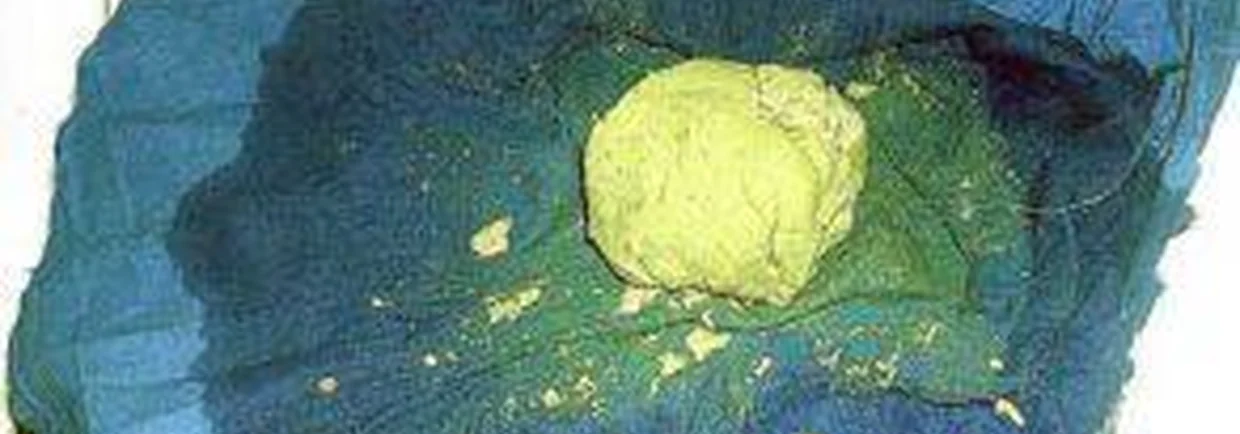
17. The liquid is cooled for a short time until it reaches a temperature that won't burn the mouth or throat. Opening the t-shirt reveals the remaining pulp. Since the psychoactive components have already been extracted from this material, it is discarded.
 Закрыть
Открыть: aDrLSmhPQF.jpg
18. Finally, the juice from the vessel is poured into a cup.
 Закрыть
Открыть: MwsYCp4cSx.jpg
Conclusion
A shot of cactus juice is much easier to swallow than chewing bitter-tasting fresh cactus or peyote buttons. Each swallow of the mixture can be accompanied by a drink of water or other beverage to counter the mildly bitter taste of the San Pedro juice. Eliminating the chewing of the cactus material also helps attenuate feelings of nausea commonly associated with ingesting cactus. Swallowing this juice slowly over a half-hour or so (rather than rapidly drinking it down) can help acclimate the body to the material gently and avoid shocking the nervous system.
↑ 2
Написать Join — чтобы участвовать в обсуждении.