
Introduction.
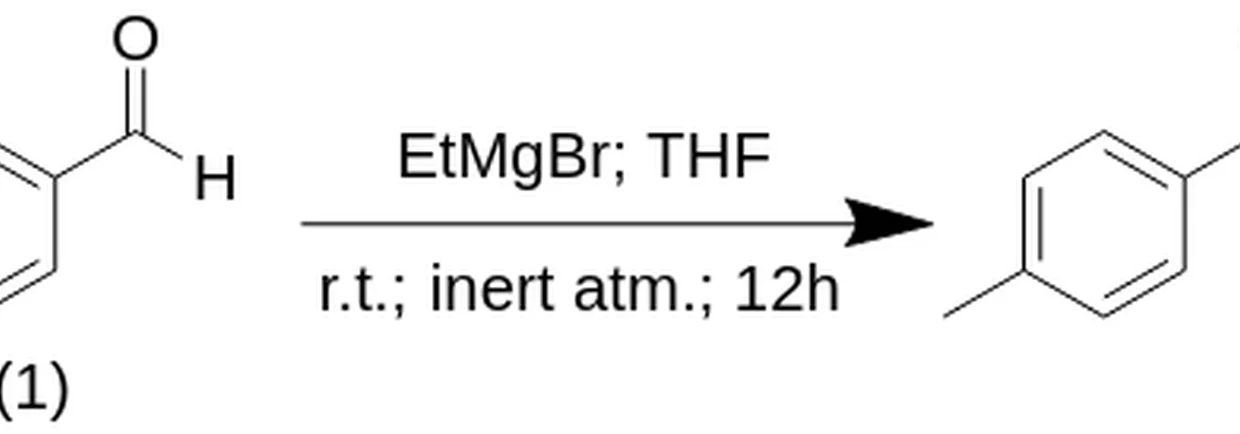
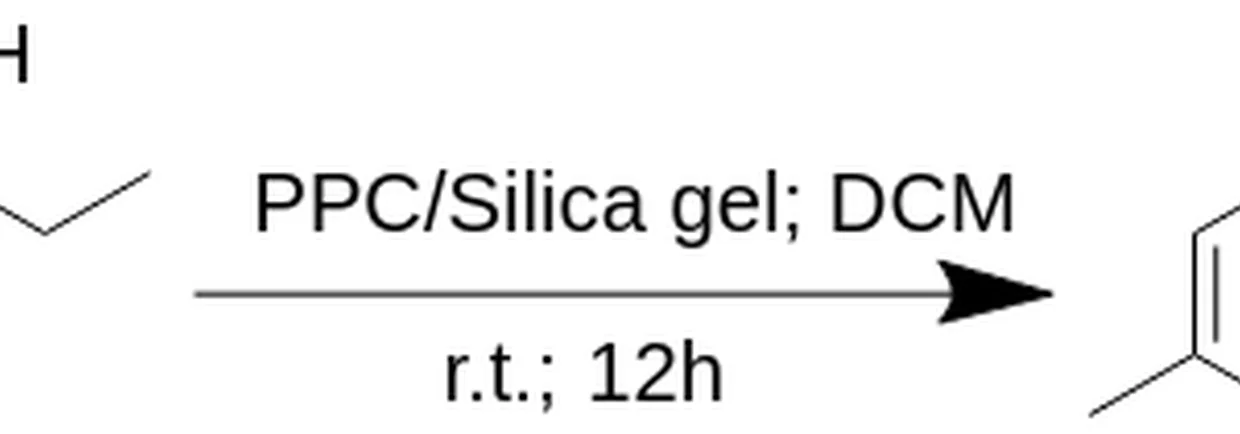
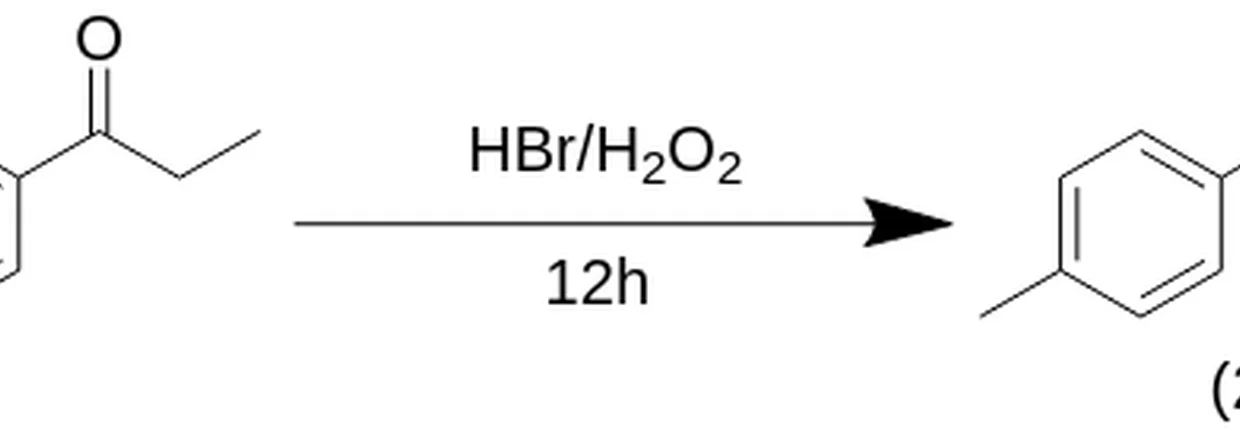
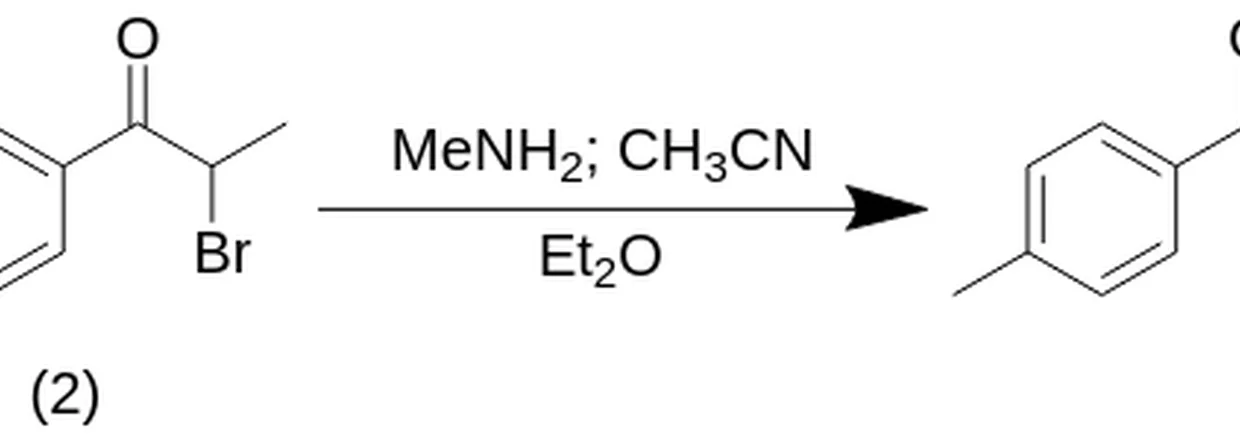
4-MMC(3) was synthesized as outlined in pictures below. Reaction of the 4-methylbenzaldehyde with ethyl magnesium bromide, followed by oxidation with pyridinium chlorochromate (PCC) on silica gel and bromination with hydrobromic acid/hydrogen peroxide afforded the lachrymatory bromo ketone(2), which were used without further purification. It was reacted with ethanolic methylamine in acetonitrile to produce 4-MMC, which were purified by flash chromatography. The free bases were converted to their hydrochloride salt with ethereal hydrogen chloride to afford (3). This method also may be used to synthesize 2- and *3-*MMC (n-methylmethcathinone). This synthesis can be easily scaled up because not takes elaborate glassware and hard manipulations. Unfortunately, according to literature data, this method has low yield. Relying on my synthetic experience, I think that reaction yield can be increased by expand of a batch load.
Equipment and glassware:
200 ml pear-shaped or round bottom flask;
100 ml Separator funnel;
Beaker 100 ml (x2) and 50 ml;
Nitrogen balloon;
Magnetic stirrer (volume depends on batch);
Aspirator;
Ice bath (0 °C);
Buchner flask and funnel;
Filter paper;
Measuring cylinder for 100 ml and 20 ml;
Retort stand and clamp for securing apparatus;
Small conventional funnel (d 5-10 cm);
Graduated pipette 10 ml x2 or dispenser for 5-10 ml;
Laboratory scale (0.1 g-100 g is suitable);
Reagents:
4.2 g 4-Methylbenzaldehyde;
34 g Pyridinium chlorochromate (PCC) on silica gel 33%;
60 ml THF;
8 g Ethyl magnesium bromid (Grignard reagent);
200 g Anhydrous MgSO4;
50 ml Aqueous hydrochloric acid 2M (7.3%) (HCl);
350 ml Dichloromethane (DCM);
10.8 ml Aqueous hydrobromic acid (48 wt.%, 64 mmol, 5.18 g);
7.25 ml Hydrogen peroxide (30 wt.%, 64 mmol, 2.18 g);
1.34 ml Ethanolic methylamine (8M, 10 mmol);
3.5 ml Acetonitrile;
62 ml Diethyl ether;
15 ml Ethereal hydrogen chloride in (2M).
Procedure.
2-Bromo-1-(4-methylphenyl)propan-1-one (2).
A solution of 4-methylbenzaldehyde(1) (35 mmol, 4.20 g) in THF (20 ml) was added slowly to a mixture of ethyl magnesium bromide (3M in diethyl ether, 20 ml, 60 mmol, 8 g) and THF (20 ml) under nitrogen at room temperature. The mixture was allowed to stir overnight at room temperature. Excess Grignard reagent was decomposed by the cautious addition of water, and the mixture was evaporated to dryness under vacuum. The residue was partitioned between 2M (7.3%) aqueous hydrochloric acid (HCl) and dichloromethane (DCM). Drying (MgSO4) and removal of solvent afforded colourless oil, which was dissolved in dichloromethane (100 ml).
Написать Join — чтобы участвовать в обсуждении.